LED light therapy has gained popularity in recent years as a non-invasive treatment for a range of skin and health concerns, from acne and wrinkles to pain relief and wound healing. But does it really work, or is it just another wellness fad? In this article, we’ll explore the science behind LED light therapy, its benefits, and whether it lives up to the hype.
What Is LED Light Therapy?
Light-emitting diode (LED) therapy involves exposing the skin or body to specific wavelengths of light. Different colors—most commonly red and blue—target different concerns:
- Red light (630–700nm): Promotes collagen production, reduces inflammation, and may aid wound healing.
- Blue light (400–470nm): Used to kill acne-causing bacteria (Propionibacterium acnes).
- Near-infrared light (700–1200nm): Penetrates deeper into tissues, aiding muscle recovery and pain relief.
Does LED Light Therapy Work? The Evidence
1. Benefits for Skin Health
Research suggests that LED light therapy can improve various skin conditions:
- Acne Treatment: Studies show that blue light therapy is effective in reducing P. acnes bacteria, leading to fewer breakouts (source: Journal of Clinical and Aesthetic Dermatology).
- Anti-Aging & Wrinkle Reduction: Red light stimulates collagen and elastin production, which may reduce fine lines and improve skin texture (source: Photomedicine and Laser Surgery).
- Wound Healing & Reducing Inflammation: LED therapy can accelerate tissue repair and reduce swelling, making it useful post-surgery or for inflammatory skin conditions like psoriasis.
2. Pain Relief & Muscle Recovery
- Muscle and Joint Pain: Near-infrared light therapy can penetrate deep into muscles, reducing pain and inflammation in conditions like arthritis (source: Pain Research and Management).
- Sports Recovery: Athletes use LED therapy to speed up muscle recovery and reduce soreness after intense workouts.
3. Hair Growth
Some studies suggest red light therapy can stimulate hair follicles in people with androgenetic alopecia (pattern baldness), though more research is needed for conclusive evidence (source: Lasers in Medical Science).
Limitations & Considerations
- Results Require Consistency: Unlike instant cosmetic treatments, LED therapy requires multiple sessions (typically 8–12) for noticeable effects.
- Not a Miracle Cure: While it can improve skin and pain conditions, it won’t replace medical treatments for severe cases.
- Potential Risks: LED therapy is generally safe, but improper use (too much intensity or duration) may cause irritation or hyperpigmentation.
Bottom Line: Is LED Light Therapy Worth It?
Scientific evidence supports LED light therapy for acne, anti-aging, wound healing, and pain management, but results vary depending on the individual and treatment protocol. If you’re considering it, consult a dermatologist or aesthetician to determine the best approach.
For at-home devices, opt for FDA-cleared options and follow usage guidelines carefully. While LED therapy isn’t a magic solution, it can be a valuable addition to skincare and wellness routines when used correctly.
Would you try LED light therapy? Let us know in the comments! 🚀
-
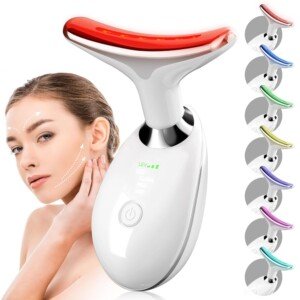
2025 New Face and Neck Massager Tool, 7 Colors LED Womens Skin Care Facial Massager for Skin Rejuvenation, Lifting, Toning, Glow Boost-White
Original price was: $29.99.$24.99Current price is: $24.99. -
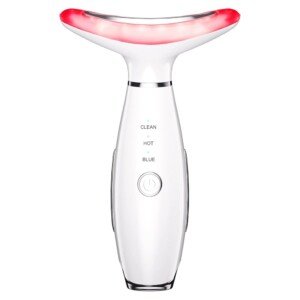
3-in-1 Beauty Massager for Face and Neck, Based on Triple Action LED, Thermal, and Vibration Technologies for Skin Care,Improve,Firm,Tightening and Smooth
Original price was: $23.96.$21.96Current price is: $21.96. -
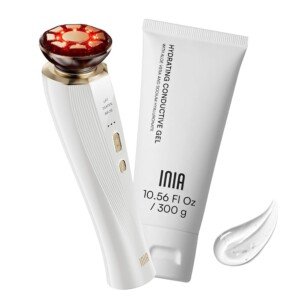
3-in-1 Red Light Therapy for Face and Neck, Skin Tightening Device True Beauty Glow Facial Massager for Skin Care, Effective Wrinkle Reduction Anti-Aging with Lifting,…
Original price was: $139.99.$109.99Current price is: $109.99.