In the quest for glowing, youthful skin, beauty enthusiasts have turned to a variety of facial tools—some ancient, some modern. From the trending jade rollers and Gua Sha stones to high-tech microcurrent devices, the options can be overwhelming. But do these tools actually work, or are they just passing beauty trends? Let’s break down the science behind these skincare tools to see which ones deliver real results.
1. Face Rollers: Cooling & Depuffing, but Temporary
What They Claim:
Jade and rose quartz rollers are promoted for reducing puffiness, increasing circulation, and helping serums absorb better.
The Reality:
- Depuffing & Lymphatic Drainage: Gently rolling can stimulate lymphatic drainage, reducing morning puffiness (especially under the eyes). However, this is temporary—similar to what a chilled spoon can do.
- Enhanced Product Absorption: The rolling motion may help push skincare deeper into the skin, but there’s little scientific proof that it’s significantly better than manual massage.
- Relaxation Benefits: The cooling effect can soothe skin and relax facial muscles, making it a pleasant (if not game-changing) addition to a skincare routine.
Verdict: Helpful for short-term depuffing and relaxation, but not a skincare miracle.
2. Gua Sha: Traditional Beauty Meets Modern Science
What It Claims:
Gua Sha—a technique originating from Traditional Chinese Medicine (TCM)—uses smooth stones (often jade or rose quartz) to scrape the skin and improve circulation, reduce tension, and sculpt facial contours.
The Reality:
- Lymphatic Drainage & Circulation: Studies suggest Gua Sha increases microcirculation, helping with reducing puffiness and enhancing glow.
- Facial Contouring: Regular use may help define the jawline and cheekbones by reducing fluid retention and relieving muscular tension.
- Collagen Stimulation: The gentle pressure might promote collagen production over time, improving skin elasticity.
Verdict: One of the more effective manual tools, especially for sculpting and circulation, but results require consistency.
3. High-Tech Facial Tools: The High-Cost, High-Reward Option
From microcurrent to LED masks, high-tech beauty tools promise long-term anti-aging results. But do they deliver?
A. Microcurrent Devices (e.g., NuFACE, Ziip):
- Claims: Lifts, tightens, and tones facial muscles, mimicking a "non-surgical facelift."
- Science: Mild electrical currents stimulate facial muscles, promoting firmer skin. Studies confirm temporary lifting effects (like a workout for your face).
- Drawback: Must keep using regularly—results fade without maintenance.
B. LED Light Therapy (e.g., CurrentBody, Dr. Dennis Gross Mask):
- Red Light (630-660nm): Stimulates collagen, reduces wrinkles.
- Blue Light (415nm): Kills acne-causing bacteria.
- Science: LED therapy is FDA-cleared for acne and anti-aging but requires frequent use (3-5x weekly) for visible improvements.
C. RF (Radiofrequency) & Ultrasonic Tools:
- RF Devices (e.g., Tripollar, Solawave): Heat the deeper skin layers to boost collagen, tightening skin over time.
- Ultrasonic Devices (e.g., Foreo UFO): Help with deeper product penetration and exfoliation.
Verdict: High-tech tools offer real benefits, but they require commitment and investment. The best ones are clinically backed, but cheaper knock-offs may disappoint.
Final Takeaway: Which Should You Choose?
- For Quick Fixes (Puffiness & Relaxation): Face rollers or Gua Sha work well.
- For Sculpting & Long-Term Glow: Gua Sha is more effective than rollers.
- For Anti-Aging & Skin Firming: High-tech tools (microcurrent, LED, RF) provide better long-term results but cost more.
The Bottom Line:
For best results, combine tools—use Gua Sha for circulation and high-tech devices for lifting and collagen stimulation. Or, stick to what feels good—if a jade roller relaxes you, it’s skincare worth keeping!
Would you try any of these tools, or do you have a favorite? Share your thoughts! ✨
-
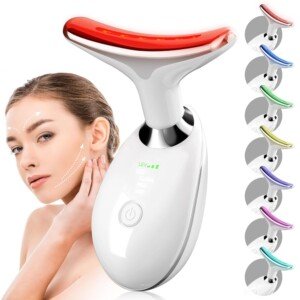
2025 New Face and Neck Massager Tool, 7 Colors LED Womens Skin Care Facial Massager for Skin Rejuvenation, Lifting, Toning, Glow Boost-White
Original price was: $29.99.$24.99Current price is: $24.99. -
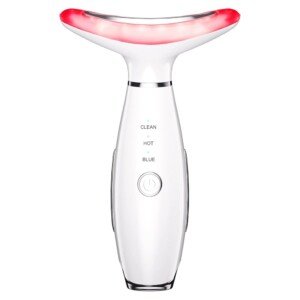
3-in-1 Beauty Massager for Face and Neck, Based on Triple Action LED, Thermal, and Vibration Technologies for Skin Care,Improve,Firm,Tightening and Smooth
Original price was: $23.96.$21.96Current price is: $21.96. -
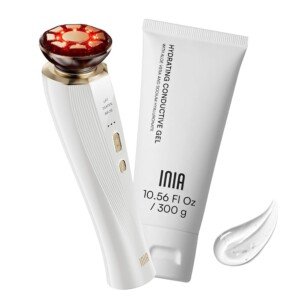
3-in-1 Red Light Therapy for Face and Neck, Skin Tightening Device True Beauty Glow Facial Massager for Skin Care, Effective Wrinkle Reduction Anti-Aging with Lifting,…
Original price was: $139.99.$109.99Current price is: $109.99.